
Base Chain
Stage 1On Base Chain, the Base Governance Multisig, a 2-of-2 multisig made up of the Base Coordinator Multisig and the Base Security Council, can instantly replace the code of 13 core contracts.
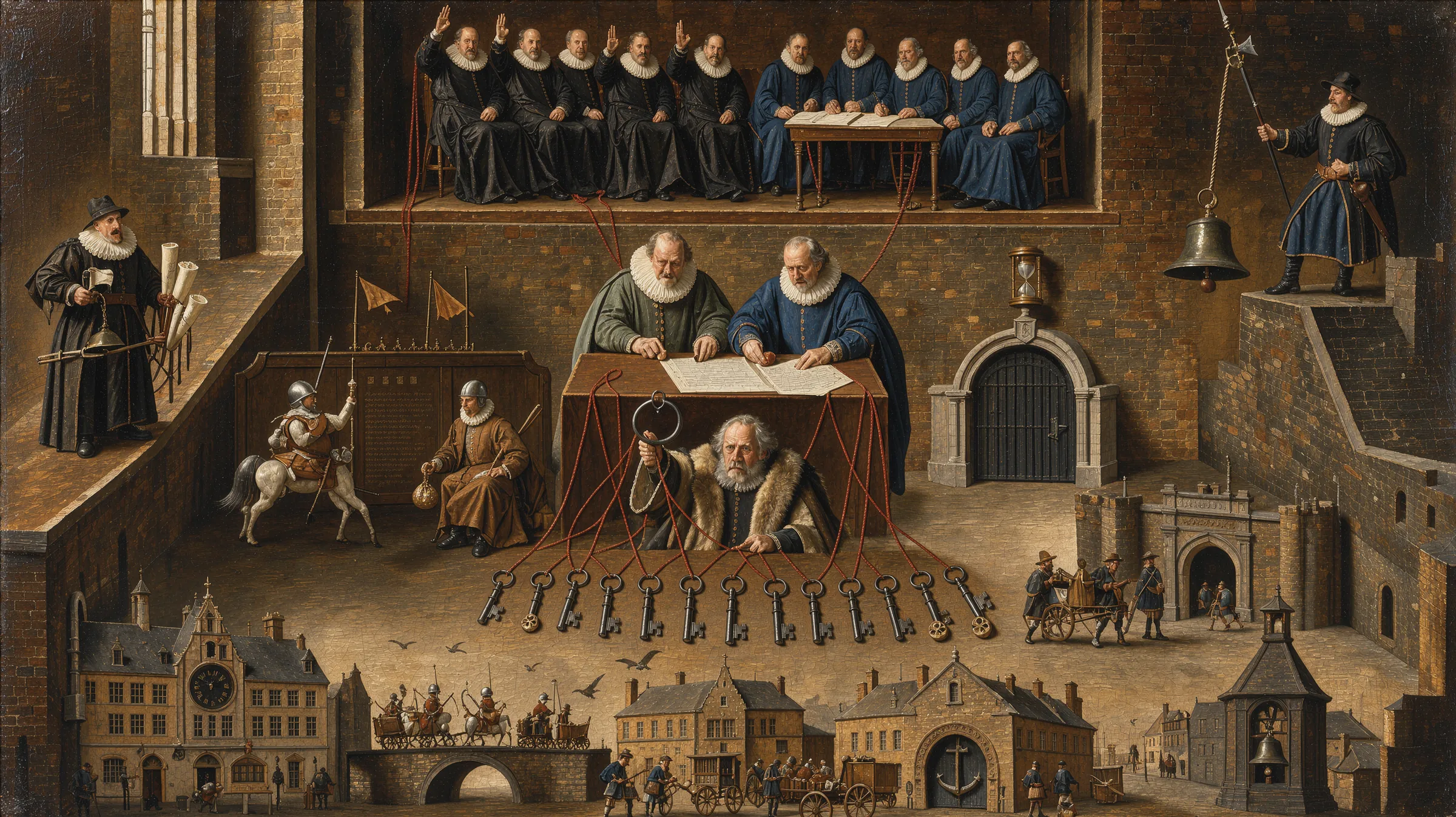
A portrait gallery of rollup governance
Ethereum's rollups promise to inherit its security. Yet almost every one of them can be rewritten by a small group of people, often with no warning at all.

Also in the gallery
The same question asked of Meta, Alphabet, Tesla and Apple, read from their proxy statements.
How to read a painting
Seated in the gallery are the groups who can upgrade the chain's contracts, that is, replace their code with anything they like. Hanging below each group are its keys, one for every contract it can replace.





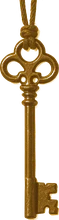
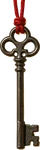
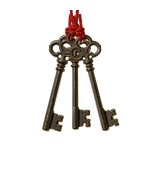
⏳ marks a key behind a timelock. A long enough delay lets users see an upgrade coming and leave before it lands; a key with no delay can change the rules overnight.
The gallery
On Base Chain, the Base Governance Multisig, a 2-of-2 multisig made up of the Base Coordinator Multisig and the Base Security Council, can instantly replace the code of 13 core contracts.

On Arbitrum One, the Arbitrum Security Council, a 9-of-12 multisig, can instantly replace the code of 28 core contracts. A token vote can do the same, after a 17d 8h delay.

On Polygon PoS, the PolygonMultisig, a 5-of-9 multisig whose signers include the Katana Foundation Engineering/Security Multisig and the Polygon Labs Engineering/Security Multisig, can instantly replace the code of 9 core contracts.

On Robinhood Chain, the Robinhood Multisig 1, a 7-of-8 multisig whose signers include the Robinhood Multisig 3, can instantly replace the code of 14 core contracts.

On OP Mainnet, the SuperchainProxyAdminOwner, a 2-of-2 multisig made up of the OpFoundationUpgradeSafe and the Optimism Security Council, can instantly replace the code of 11 core contracts.

On Mantle, the MantleSecurityMultisig, a 6-of-14 multisig, can instantly replace the code of 8 core contracts.

On Lighter, the Lighter Multisig 2, a 3-of-5 multisig, can replace the code of 3 core contracts after a 21d delay.

On World Chain, the Alchemy Multisig 1, a 3-of-8 multisig, can instantly replace the code of 6 core contracts.

On Ink, the SuperchainProxyAdminOwner, a 2-of-2 multisig made up of the OpFoundationUpgradeSafe and the Optimism Security Council, can instantly replace the code of 11 core contracts.

On Starknet, the Starkware Multisig 2, a 2-of-4 multisig, can instantly replace the code of 7 core contracts.

On Linea, the Linea Security Council, a 5-of-9 multisig whose signers include the Safe, can instantly replace the code of 7 core contracts.

On Gnosis Chain, the Gnosis Bridge Multisig (Ethereum), a 8-of-15 multisig whose signers include the Hashi Multisig (Ethereum), can instantly replace the code of 7 core contracts.

On Celo, the CeloProxyAdminOwner, a 2-of-2 multisig made up of the Celo Security Council and the Celo cLabs Multisig, can instantly replace the code of 12 core contracts.

On ZKsync Era, the EmergencyUpgradeBoard contract can instantly replace the code of 9 core contracts.

On Ronin, the RoninConduitOwner, a 5-of-6 multisig, can instantly replace the code of 7 core contracts.

On X Layer, the Xlayer Multisig, a 2-of-3 multisig, can instantly replace the code of 5 core contracts.

On Morph, the Morph Multisig 1, a 4-of-6 multisig, can instantly replace the code of 12 core contracts.

On Fraxtal, the Fraxtal Multisig 1, a 3-of-5 multisig, can instantly replace the code of 4 core contracts.

On Manta Pacific, the MantaMultisig, a 5-of-7 multisig, can instantly replace the code of 4 core contracts.

On Unichain, the SuperchainProxyAdminOwner, a 2-of-2 multisig made up of the OpFoundationUpgradeSafe and the Optimism Security Council, can instantly replace the code of 11 core contracts.

On MegaETH, the Safe, a 6-of-10 multisig whose signers include the Safe, can instantly replace the code of 7 core contracts.

On BOB, the Bob Multisig 1, a 4-of-6 multisig, can instantly replace the code of 7 core contracts.

On Plume Network, the Conduit Multisig 1, a 4-of-11 multisig, can instantly replace the code of 10 core contracts.

On Katana, the SafeL2, a 3-of-5 multisig, can instantly replace the code of 3 core contracts.

On Blast, the BlastMultisig 1, a 3-of-5 multisig, can instantly replace the code of 7 core contracts.

On Scroll, upgrades to 23 core contracts run through ScrollOwner, a role-based owner contract.

On Metis Andromeda, the Metis Security Council, a 6-of-8 multisig, can instantly replace the code of 9 core contracts.

On Paradex, the Paradex Multisig 2, a 3-of-5 multisig, can instantly replace the code of 3 core contracts.

On RISE, the Rise ProxyAdminOwner Multisig, a 3-of-5 multisig, can instantly replace the code of 6 core contracts.

On Cronos zkEVM, the EmergencyUpgradeBoard contract can instantly replace the code of 8 core contracts.

On Immutable zkEVM, the ProxyAdmin contract can instantly replace the code of 2 core contracts.

On SX Network, the CalderaMultisig, a 3-of-5 multisig, can instantly replace the code of 10 core contracts.

On Soneium, the SuperchainProxyAdminOwner, a 2-of-2 multisig made up of the OpFoundationUpgradeSafe and the Optimism Security Council, can instantly replace the code of 7 core contracts.

On Abstract, the EmergencyUpgradeBoard contract can instantly replace the code of 8 core contracts.

On Fuel Ignition, the Fuel Security Council, a 4-of-6 multisig, can instantly replace the code of 3 core contracts.

On Aevo, the Conduit Multisig 1, a 4-of-11 multisig, can instantly replace the code of 6 core contracts.

On Lumia Prism, the PolygonAdminMultisig, a 5-of-9 multisig, can replace the code of 3 core contracts after a 3d delay.

On Taiko Alethia, the SignerList (Security Council), a 4-of-5 multisig, can replace the code of 16 core contracts after a 7d delay.

On ADI Chain, the Governance contract can instantly replace the code of 7 core contracts.

On Zircuit, the Conduit Multisig 1, a 4-of-11 multisig, can instantly replace the code of 7 core contracts.

On Haust Network, the PolygonAdminMultisig, a 5-of-9 multisig, can replace the code of 3 core contracts after a 3d delay.

On Orderly Network, the Conduit Multisig 1, a 4-of-11 multisig, can instantly replace the code of 6 core contracts.

On Arbitrum Nova, the SecurityCouncil, a 9-of-12 multisig, can instantly replace the code of 16 core contracts. The L1Timelock can do the same, after a 3d delay.

On Gravity, the Conduit Multisig 1, a 4-of-11 multisig, can instantly replace the code of 8 core contracts.

On Silicon, the PolygonAdminMultisig, a 5-of-9 multisig, can replace the code of 3 core contracts after a 3d delay.

On Polygon zkEVM, the Polygon zkEVM Multisig, a 5-of-10 multisig, can instantly replace the code of 3 core contracts.

On HashKey Chain, the NXV, a 3-of-5 multisig, can instantly replace the code of 7 core contracts.

On Mode Network, the Conduit Multisig 1, a 4-of-11 multisig, can instantly replace the code of 6 core contracts.

On Boba Network, the Boba Multisig, a 2-of-3 multisig, can instantly replace the code of 6 core contracts.

On Eclipse, the Eclipse Multisig 2, a 3-of-5 multisig whose signers include the GnosisSafe, can instantly replace the code of 1 core contract.

On Lisk, the Gelato Multisig, a 3-of-4 multisig, can instantly replace the code of 6 core contracts.

On Sophon, the EmergencyUpgradeBoard contract can instantly replace the code of 9 core contracts.

On Zora, the Conduit Multisig 1, a 4-of-11 multisig, can instantly replace the code of 6 core contracts.

On Reya, the Conduit Multisig 1, a 4-of-11 multisig, can instantly replace the code of 8 core contracts.

On Cyber, the Cyber Multisig 1, a 3-of-4 multisig, can instantly replace the code of 7 core contracts.

On Pentagon Chain, the PolygonAdminMultisig, a 5-of-9 multisig, can replace the code of 3 core contracts after a 3d delay.

On Fluent, the FluentMultisig, a 4-of-5 multisig, can instantly replace the code of 5 core contracts.

On Shape, the Alchemy Multisig 1, a 3-of-8 multisig, can instantly replace the code of 6 core contracts.

On Hemi, the GnosisSafe, a 3-of-8 multisig, can instantly replace the code of 4 core contracts.

On Lens, the EmergencyUpgradeBoard contract can instantly replace the code of 9 core contracts.

On DeBank Chain, the DeBank Multisig, a 2-of-4 multisig, can instantly replace the code of 4 core contracts.

On Lasernet, the Conduit Multisig 1, a 4-of-11 multisig, can instantly replace the code of 8 core contracts.

On Shibarium, a single private key (EOA 1) can instantly replace the code of 7 core contracts.

L2BEAT's data names no one who can upgrade Facet. The key rack is empty.

On Nillion, the Conduit Multisig 1, a 4-of-11 multisig, can instantly replace the code of 6 core contracts.

On LightLink, the Lightlink Multisig 2, a 3-of-3 multisig, can instantly replace the code of 6 core contracts.

On Phala, the Conduit Multisig 1, a 4-of-11 multisig, can instantly replace the code of 6 core contracts.

On Soon Alpha Mainnet, the SoonMultisig, a 2-of-4 multisig, can instantly replace the code of 4 core contracts.

On Metal, the Conduit Multisig 1, a 4-of-11 multisig, can instantly replace the code of 6 core contracts.

On AlienX, the AlienXMultisig, a 3-of-5 multisig, can instantly replace the code of 10 core contracts.

On Pepe Unchained, the Conduit Multisig 1, a 4-of-11 multisig, can instantly replace the code of 8 core contracts.

On Swan Chain, the Swan Network Multisig, a 3-of-4 multisig, can instantly replace the code of 4 core contracts.

On ZKFair, the ZKFairAdmin, a 3-of-4 multisig, can replace the code of 4 core contracts after a 1d delay.

On Funki, the Funki Multisig 1, a 3-of-4 multisig, can instantly replace the code of 7 core contracts.

L2BEAT's data names no one who can upgrade Aztec Network. The key rack is empty.

On Appchain, the Caldera Multisig 3, a 3-of-6 multisig, can instantly replace the code of 8 core contracts.

On Towns, the RiverMultisig, a 4-of-7 multisig, can instantly replace the code of 4 core contracts.

L2BEAT's data names no one who can upgrade Cartesi PRT Honeypot v2. The key rack is empty.

On Settlus, the Alchemy Multisig 1, a 3-of-8 multisig, can instantly replace the code of 6 core contracts.

On Payy, the PayyMultisig, a 2-of-4 multisig, can instantly replace the code of 1 core contract.

Nobody can upgrade Ethscriptions. Its upgradable contracts answer to an admin contract that has no owner, so no one can ever call it. The key rack is empty.

On GRVT, the EmergencyUpgradeBoard contract can instantly replace the code of 6 core contracts.
Why it matters
A rollup's contracts hold the money that crossed its bridge. Whoever can upgrade those contracts can, in principle, redirect it. Most teams keep that power on purpose: young systems have bugs, and someone has to be able to fix them fast.
The question is who that someone is. Is it a council of independent signers, a company's own multisig, or one key on one laptop? Does the change land instantly, or after a delay long enough for users to leave? These paintings answer that at a glance, for every chain.
Snapshot of 23 October 2026.